
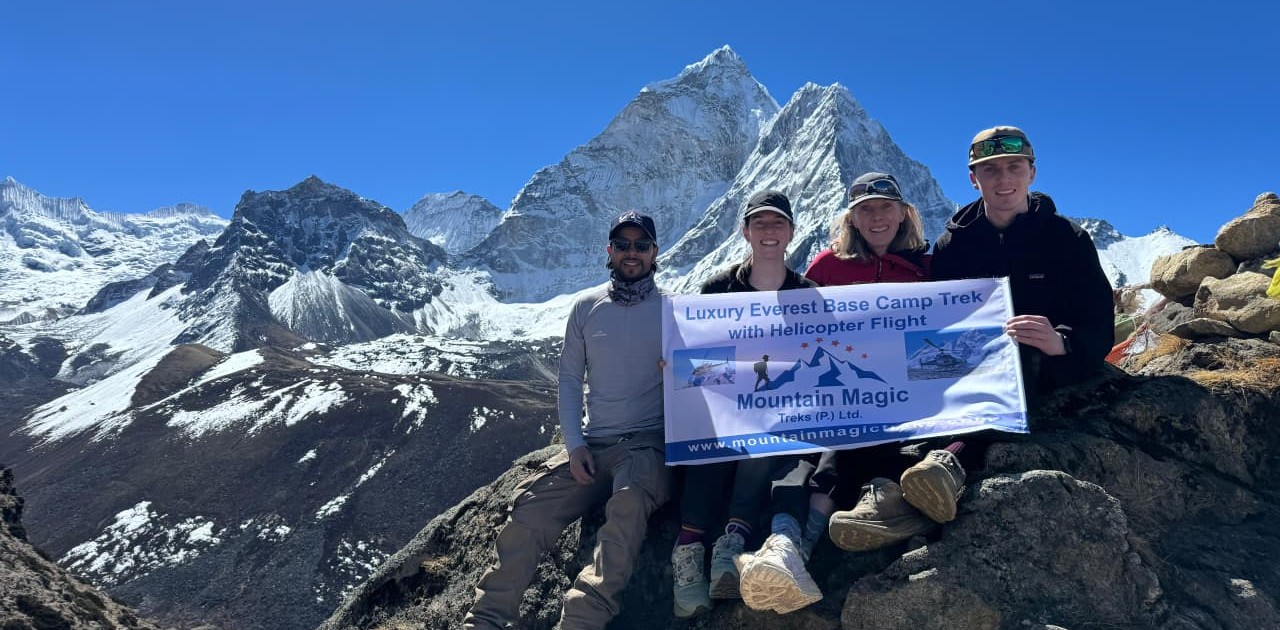
Planning an Everest trip is exciting, but excitement alone will not get you to the high mountains. The trail demands preparation. You need the right clothes, suitable shoes, enough fitness, and a good understanding of altitude.
The Everest Base Camp Trek with helicopter return is a useful option for travelers who want to spend their time trekking through the Everest region and then save several days by flying back. However, the helicopter does not make the uphill journey easy. You still need to prepare for cold weather, long walking days, and high altitude.
A little planning before leaving home can make a big difference once you reach the mountains.
Build Your Fitness Before the Trek
You do not need to be a professional athlete for an Everest trek.
But you should be comfortable walking for several hours at a time. The trail includes climbs, downhill sections, rocky paths, and uneven ground.
Start preparing several weeks before your trip.
Focus on Walking Endurance
Regular walking is one of the simplest ways to train.
Begin with shorter walks and slowly increase the distance. Add some uphill walking if possible.
You can also use stairs or a treadmill with an incline. The goal is to get your legs used to working for a long time.
Strength training can help too. Simple exercises such as squats, lunges, step-ups, and calf raises can prepare your legs for mountain trails.
Learn to Pack Light
A common mistake is carrying too much.
You may think you need a large bag because you are going into the Himalayas. In reality, extra weight becomes a bigger problem as the altitude increases.
Pack items that have a clear purpose.
Your Clothing Should Work in Layers
Mountain temperatures can change quickly.
Instead of carrying one very heavy jacket, use several layers that you can add or remove as needed.
A useful clothing system may include:
- Moisture-wicking base layers
- Warm mid-layers
- A down or insulated jacket
- Waterproof outerwear
- Trekking pants
- Warm gloves
- Wool or thermal socks
- A warm hat
- Comfortable trekking shoes
Good socks matter more than many beginners realize. Wet or uncomfortable feet can turn a good day into a miserable one.
Choose Shoes Before You Leave
Do not buy new trekking shoes the day before your flight.
Your footwear should already be comfortable and tested.
Break Them In Properly
Wear your trekking shoes during training walks before the trip.
This gives you time to discover pressure points or rubbing.
A shoe that feels perfect for five minutes in a store may feel very different after six hours on a mountain trail.
Also bring enough socks to keep your feet dry.
Prepare for the Altitude
Altitude is one of the biggest things you need to understand before beginning the Everest Base Camp Trek with helicopter return.
As you climb higher, the amount of available oxygen decreases.
Your body needs time to adjust.
Do Not Ignore Warning Signs
Headache, dizziness, unusual tiredness, nausea, and poor sleep can occur at altitude.
Some mild symptoms may improve as your body adjusts. More serious symptoms should never be ignored.
Tell your guide if something does not feel right.
Do not try to hide symptoms because you are afraid of slowing the group down.
A safe trek is more important than reaching a destination on schedule.
Eat Even When You Are Not Hungry
Your body uses a lot of energy during a mountain trek.
At high altitude, some people lose their appetite. That can make it tempting to eat very little.
Do not make that mistake.
Keep Your Energy Steady
Choose filling meals and drink enough water throughout the day.
Carbohydrates can provide useful energy for long walking days, while protein helps support your body during recovery.
Carry small snacks such as:
- Energy bars
- Nuts
- Chocolate
- Dried fruit
- Crackers
You do not need fancy sports food. Simple snacks can work well.
Protect Yourself From the Mountain Sun
Cold weather can make the sun feel less intense than it really is.
At higher elevations, strong sunlight can be a serious issue.
Wear sunglasses that provide good UV protection.
Use sunscreen on exposed skin, including your face, ears, and neck.
Keep Your Lips and Skin Protected
Dry mountain air can leave your lips and skin cracked.
A small lip balm and moisturizer can be surprisingly useful.
These are tiny items, but they can make your daily routine much more comfortable.
Keep Your Daily Routine Simple
A good trekking routine does not need to be complicated.
Wake up, eat breakfast, pack your day bag, and start walking.
During the day, keep your pace steady.
Take short breaks instead of waiting until you are completely exhausted.
Listen to Your Guide
Your guide has experience with the route, weather, altitude, and local conditions.
If your guide recommends slowing down, taking a break, or changing plans, take the advice seriously.
The mountain does not care about your schedule.
Be Ready for Basic Mountain Living
Do not expect city-level comfort throughout the journey.
Tea houses provide food and accommodation, but facilities can become more basic as you climb higher.
Rooms may be simple.
Bathrooms may be shared.
Hot showers may cost extra or may not always be available.
Carry a Few Comfort Items
Small personal items can make mountain evenings easier.
Consider packing:
- A small towel
- Wet wipes
- Hand sanitizer
- Earplugs
- A headlamp
- Power bank
- Small toiletries
- Reusable water bottle
Keep everything organized so you do not have to empty your entire bag to find one item.
Keep Some Time in Your Schedule
One of the smartest things you can do before booking flights home is to avoid a tight schedule.
If your helicopter return is delayed because of weather, a little extra time can prevent a chain of problems.
Do Not Book Everything Back-to-Back
Give yourself breathing room between your mountain journey and an important international flight.
A flexible plan may cost slightly more or require another hotel night, but it can save a lot of stress.
Why Preparation Changes the Experience
The Everest Base Camp Trek with helicopter return is physically demanding, but many difficulties become easier when you prepare properly.
The right shoes can prevent painful feet.
The right layers can keep you comfortable.
A steady pace can protect your energy.
Proper acclimatization can help your body adjust.
A flexible schedule can reduce stress when mountain weather changes.
These things may sound small before the trip. On the trail, they matter.
Final Thoughts
The Everest Base Camp Trek with helicopter return gives travelers a chance to experience the Everest region without spending several additional days walking back along the same route.
But the trip still requires respect.
Train before you arrive. Pack carefully. Learn about altitude. Stay hydrated. Listen to your guide and give yourself enough time to adjust.
Most importantly, do not let the helicopter make you underestimate the trek.
The flight may shorten the return, but the journey to Everest Base Camp is still a real Himalayan adventure. Prepare for it properly, and you will be able to spend less time worrying about the difficulties and more time enjoying the mountains.
Frequently Asked Questions
How fit should I be for this trek?
You should be comfortable walking for several hours on consecutive days. Regular walking, stair climbing, and basic strength training can help you prepare.
Do I need expensive trekking equipment?
Not necessarily. Good-quality, practical equipment is more important than buying the most expensive products.
How should I prepare for altitude?
Train your overall fitness, follow the planned acclimatization schedule, walk slowly, stay hydrated, and report concerning symptoms to your guide.
What happens if the helicopter cannot fly?
Flight operations depend on weather and safety conditions. Delays or changes may occur, so keeping flexibility in your travel plans is wise.
Should I carry a large backpack?
It is better to avoid unnecessary weight. Carry only useful items and follow your trekking company’s baggage guidance.
Is the Everest Base Camp Trek with helicopter return suitable for beginners?
It can be suitable for prepared first-time trekkers, but beginners should not underestimate the physical demands or altitude involved.
